You control the hosting accounts, administrator access, code, and data. You pay no software license fees for the agreed open-source stack. I train one person to handle routine maintenance with AI and runbooks, so you can run it without a dedicated IT team.
Every engagement starts with one of three conditions. Pick the sentence that sounds like your business.
The system no longer fits.
FileMaker, Access, the internal app nobody dares touch. I replace it with software you own, without losing the workflow your staff depend on. Proof: 28,062 invoices migrated with zero operational downtime.
Legacy System Replacement
The cart can't close your sales.
Wires, deposits, quotes, staged settlement: transactions hosted carts cannot model. I build commerce platforms that close them. Proof: six-figure monthly Google Shopping revenue on an owned platform.
High-Ticket Commerce Platforms
The work shouldn't still be manual.
And you are not giving a chatbot the keys. I build governed AI agents inside your AWS account, with human approval on every consequential action. Proof: three production agents, used daily by a non-technical operator.
Production AI Agents
How I build infrastructure
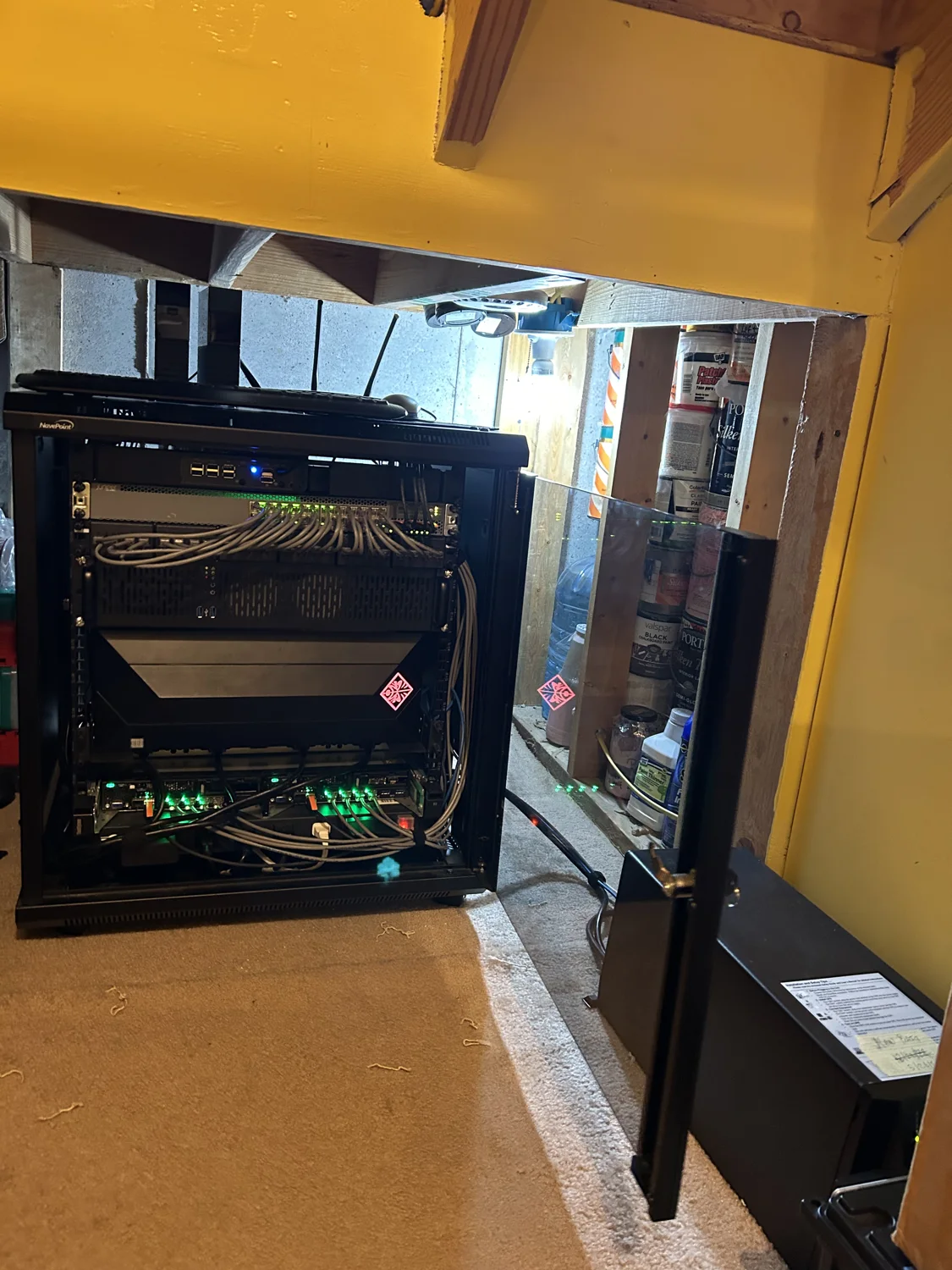
I use my homelab to test how I provision machines, deploy applications, and monitor services.
You or a colleague practice a restore using your own credentials. I hand over the configuration and runbooks, and show you how to use the AI assistant with approved sources from your setup.
Your business owns the equipment you buy and holds the accounts for hosting and domains. You control billing and decide who has administrator access.
Code and configuration
You keep the project code, deployment repository, and runbooks. You can use them to move the system or bring in another provider. Upstream software keeps its own license.
Data and backups
You control your data, exports, and backup storage. We test a restore using your credentials before handoff.
One project payment
You pay me once for implementation. Budget for hardware or hosting, backup storage, and the time you spend running the system.
Sample recovery runbookrunbooks/recovery/files.md
Restore a file from backup
Operator
Files administrator
File
vendor-inventory.csv
Choose a snapshot from before the deletion.
Restore the file to a separate folder with your recovery credentials.
Open the copy, check its contents, and record the snapshot and outcome.
In my November 2026 homelab inventory, you can see where I place workloads and how I segment the network. The October 2026 Emiliany architecture notes show how I connected the storefront, order systems, and support tools.
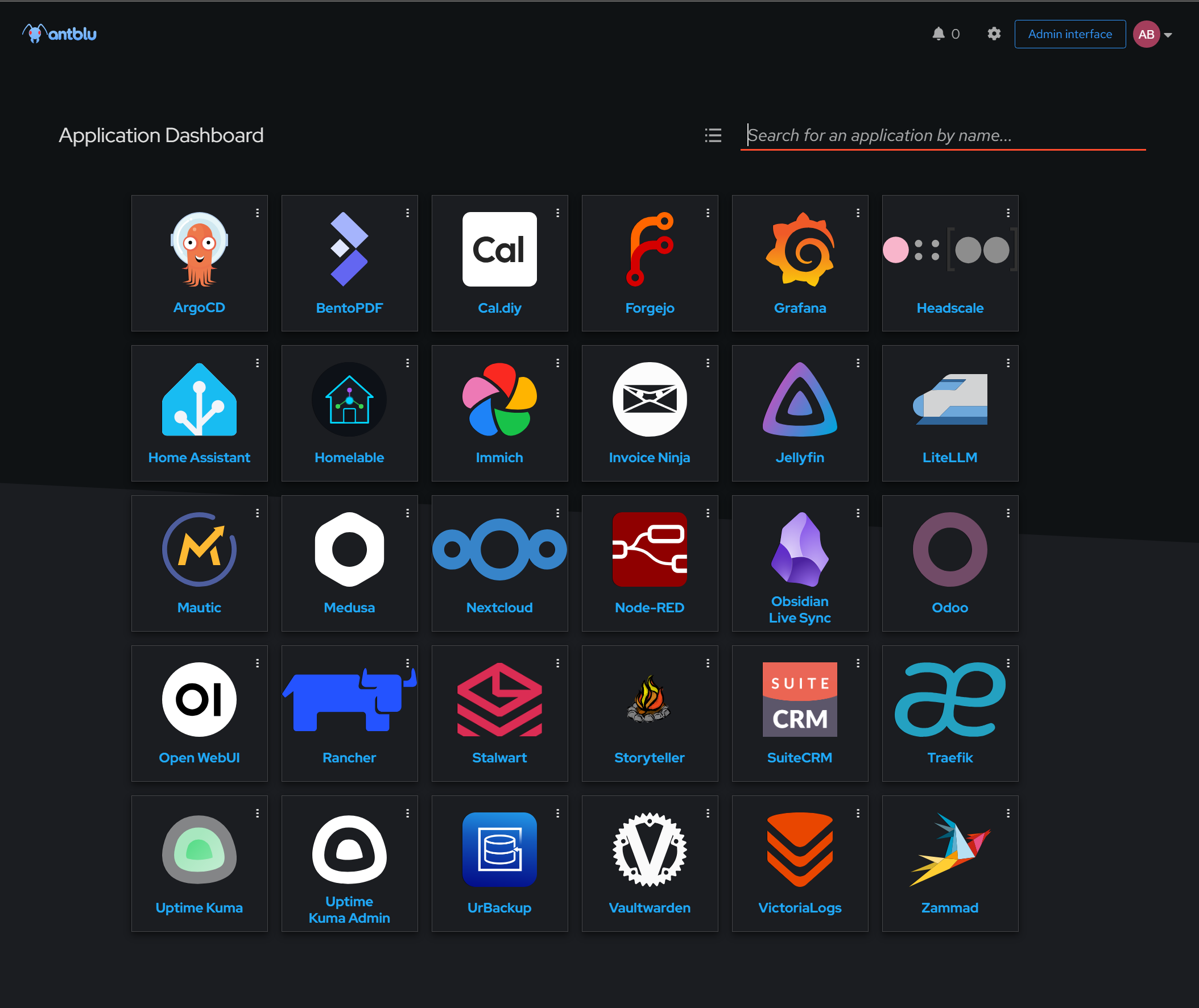
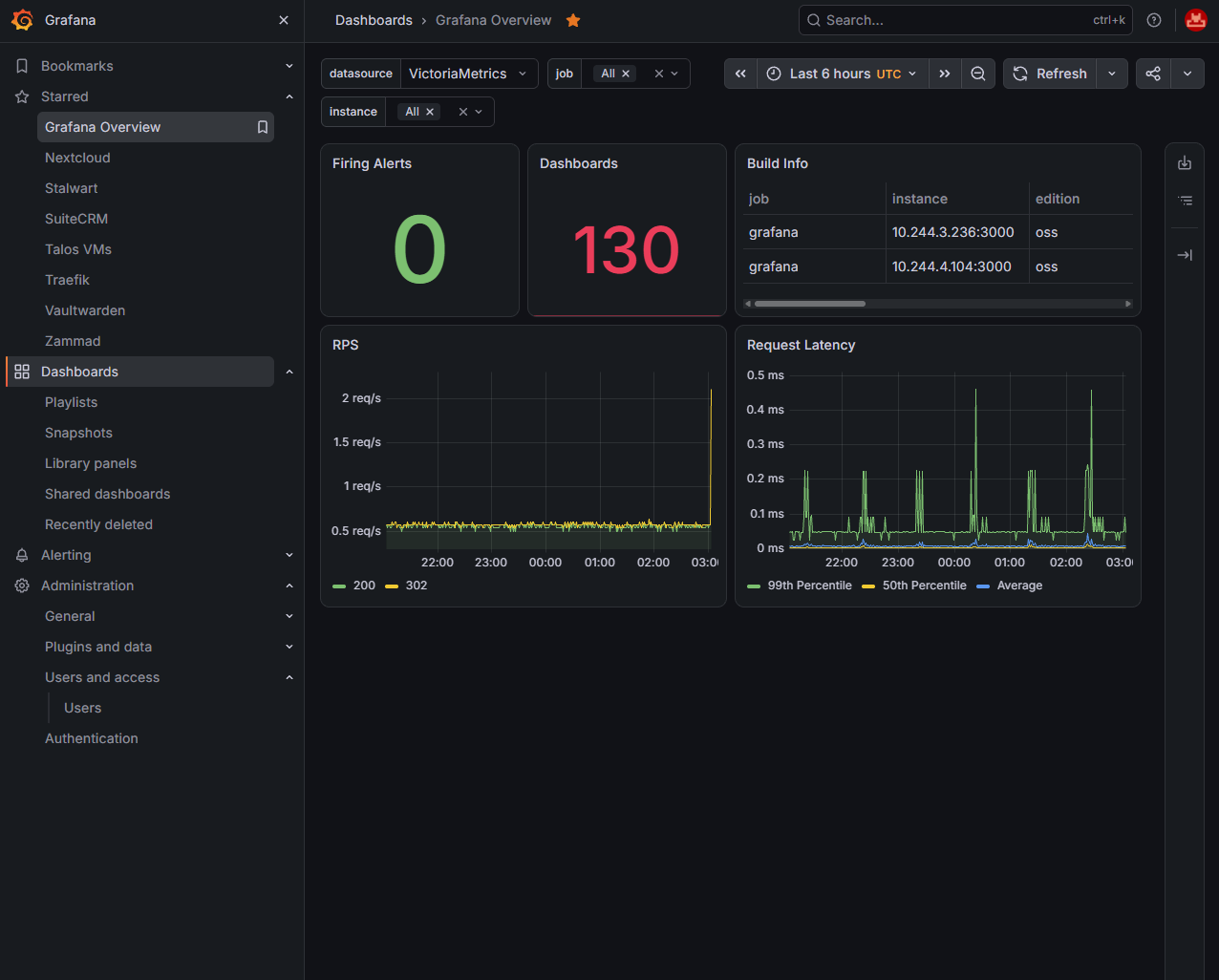
I use Authentik to open the tools my account can access. In Grafana I check alerts, request rates, and latency. These screenshots show a point in time.
We agree on the deployment, integrations, migration, recovery checks, and training before I quote one implementation fee. You buy infrastructure and any third-party services in your name.
Will self-hosting cost less?
It depends on your current bills, the hardware or provider you choose, and who maintains the stack. Run the comparison with your own costs over one, three, or five years.
Who runs the system after handoff?
You or one person you choose can handle routine maintenance. During handoff, we practice using AI to consult the runbooks and troubleshoot errors. The person running the system checks suggestions before making changes.
Can you build a website or store in my accounts?
Yes. I can deploy a website or store in your accounts, document its integrations, and train your team to edit and operate it.
Tell me what you want to build or replace
Include the tools you use today and who will run the system after handoff.
Inventory from my Kubernetes, Debian workload, and template sources · November 14, 2026. For deployment and health, check the running cluster. Browse the stack ↗


 STACK / 01
 STACK / 02
 STACK / 03
 STACK / 04
 STACK / 05
 STACK / 06
 STACK / 07
 STACK / 08
 STACK / 09
 STACK / 10
 STACK / 11
 STACK / 12
 STACK / 13
 STACK / 14
 STACK / 15
 STACK / 16
 STACK / 17
 STACK / 18
 STACK / 19
 STACK / 20
 STACK / 21
 STACK / 22
 STACK / 23
 STACK / 24
 STACK / 25
 STACK / 26
 STACK / 27
 STACK / 28
 STACK / 29
 STACK / 30
 STACK / 31
 STACK / 32
 STACK / 33
 STACK / 34
 STACK / 36
 STACK / 37
 STACK / 38
 STACK / 39
 STACK / 42
 STACK / 43
 STACK / 44
 STACK / 40
 STACK / 46
 STACK / 47
 STACK / 48
 STACK / 50
 STACK / 51